Is SMS Marketing Effective? Honest 2026 Answer
SMS marketing is one of the highest-engagement channels available, but it only pays off under specific conditions. Here is the honest, data-backed answer.
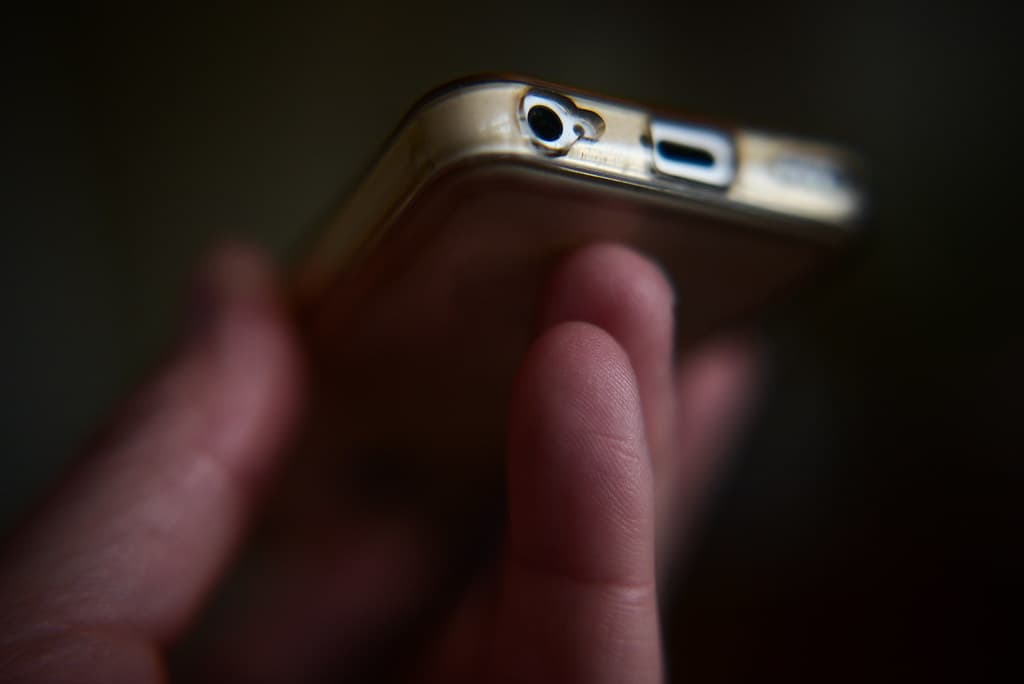
Yes, SMS marketing is one of the most effective channels available today, but with an important caveat: it works extremely well for the right business, the right list, and the right message, and it backfires fast when any of those three are missing. The reason it performs is structural. Texts land on the device people check most, they get opened almost universally, and they get read within minutes, not days. Across the industry, SMS consistently posts open rates near 98% and read times under three minutes, numbers email cannot touch.
But effectiveness is not the same as a guarantee. SMS only converts when you have explicit opt-in permission, a genuinely valuable offer, and disciplined sending frequency. Send too often, buy a list, or treat it like an email blast, and you will burn opt-outs, trigger carrier filtering, and risk real legal penalties. The honest answer is that SMS is a high-leverage channel that rewards restraint and punishes spam more harshly than any other.
How effective is SMS marketing, really? (The numbers)
The pattern across every credible source is the same: SMS wins on visibility and speed. Where results vary wildly is conversion, which depends on what you send and how often, not on the channel itself.
- Open rate near 98%, versus roughly 20-27% for marketing email (cited widely by Sender, Twilio, and Constant Contact). Almost everyone who receives your text sees it.
- Speed: studies from Validity and others find about 90% of texts are read within three minutes of delivery, and most consumers check messages within five minutes.
- Response and clicks: SMS click-through rates are commonly reported around 18%, far above email's ~2-3% (Sender). Response rates are reported many times higher than email.
- ROI: industry surveys (UpCity) cite returns in the range of roughly $20-$40 per $1 spent for well-run programs. Your real number depends heavily on list quality and offer.
- Consumer demand: surveys from SimpleTexting and SAP/Emarsys find large shares of consumers willing to opt in and many preferring promotions by text.
Why is SMS marketing so effective?
The effectiveness is not magic. It comes from a few reinforcing advantages that are hard to replicate elsewhere.
- It reaches a device people keep within arm's reach all day, so messages are seen in minutes rather than buried in an inbox.
- It is permission-based by law and by design, so your audience has actively raised their hand, which means higher intent than a cold ad audience.
- The inbox is uncluttered. People get far fewer marketing texts than emails, so yours stands out instead of competing with hundreds of others.
- It is an owned channel. Unlike social media followers, you control the list, the timing, and the message, and no algorithm can throttle your reach overnight.
- It is short and action-oriented. The 160-character constraint forces a single clear offer and call to action, which tends to convert better than sprawling messages.
When is SMS marketing most effective?
SMS shines for time-sensitive, high-value, or transactional moments. It is the wrong tool for long-form storytelling or low-urgency nurture. Use it when speed and certainty of delivery matter most.
- Flash sales, limited-time offers, and Black Friday / holiday pushes where minutes matter
- Appointment reminders and confirmations (which also reduce no-shows)
- Order, shipping, and delivery updates customers actually want
- Abandoned-cart recovery, often the single highest-ROI automated text
- Restock and back-in-stock alerts for high-demand products
- Loyalty rewards, early access, and VIP-only drops
- Time-critical service alerts and two-way customer support
When is SMS marketing NOT worth it?
This is the part most guides skip. SMS is not universally effective, and forcing it can cost you more than it earns. Be honest about whether your situation fits.
- You have no opt-in list and would need to buy one. Purchased lists are both ineffective and illegal under the TCPA in the US.
- Your product is low-margin or low-frequency, so each text cannot justify its per-message cost or the risk of opt-outs.
- Your value proposition is complex and needs explanation, images, or comparison. That belongs in email or on a landing page, not a 160-character text.
- You cannot commit to restraint. If you would send daily promos, SMS will generate opt-outs and complaints faster than it generates sales.
- You serve regions or audiences where texting norms or regulations make outreach impractical or unwelcome.
- You have no system to handle replies. SMS invites two-way conversation, and ignoring responses damages trust.
What does SMS marketing actually cost?
Effectiveness has to be measured against cost, and SMS has real per-message economics that email does not. In the US, most platforms charge a small per-segment fee (commonly a fraction of a cent to a few cents per message) plus carrier fees, and you typically register your sending number through a process called 10DLC.
Run the math before you commit. If you have a 5,000-person list and message it four times a month, that is 20,000 sends; at a few cents each plus platform fees, the channel needs to produce real revenue to clear. The good news is that because conversion and open rates are so high, a modest, well-targeted program usually clears that bar easily, especially for abandoned-cart and back-in-stock automations. The danger is paying to spam a cold or oversized list that never converts.
- Per-message/per-segment carrier fees (longer texts split into multiple segments and cost more)
- Platform subscription or per-send pricing
- One-time and recurring 10DLC registration fees for compliant US sending
- The hidden cost of opt-outs: every unsubscribe is a contact you can never text again
Is SMS marketing legal? Consent and compliance basics
Done right, compliance is not a burden, it is what makes the channel effective. A clean, consented list is exactly why open and conversion rates stay so high.
- Get explicit opt-in. The person must clearly agree to receive marketing texts, separate from any other terms.
- Identify yourself in messages so recipients know who is texting.
- Always include a clear opt-out (typically reply STOP) and honor it immediately and permanently.
- Respect quiet hours and reasonable frequency. Avoid late-night and early-morning sends.
- Keep records of consent in case you ever need to prove it.
- Register for 10DLC (US) so carriers recognize your number as a legitimate sender and do not filter your messages.
SMS vs email marketing: which is more effective?
This is also where an all-in-one CRM earns its keep. Running SMS, email, online booking, and a chatbot from separate tools makes coordination nearly impossible. Platforms like MapleConnect combine CRM, SMS, email, and booking in one place so the same contact and consent data drives every channel, which is what makes a true omnichannel program practical for a small team.
- Use SMS for: flash sales, reminders, shipping updates, cart recovery, urgent alerts
- Use email for: newsletters, product education, long-form offers, receipts, re-engagement
- Use both together: one customer record, coordinated timing, no double-messaging
How to make SMS marketing effective: a 7-step playbook
Effectiveness is a function of execution. Follow these steps and SMS reliably performs; skip them and it disappoints.
- Build a consented list with a clear incentive (for example, a first-order discount for opting in). Never buy lists.
- Set clear expectations at sign-up: what you will send and how often.
- Segment so messages are relevant. Send back-in-stock alerts only to interested buyers, not the whole list.
- Lead with value and a single, clear call to action. Respect the 160-character mindset.
- Automate the high-ROI flows first: abandoned cart, welcome series, post-purchase, and restock alerts.
- Time it well. Avoid quiet hours, and test send times against your audience's behavior.
- Measure opt-outs as closely as conversions. Rising unsubscribes are your early warning that frequency or relevance is off.
Frequently Asked Questions
What is the success rate of SMS marketing?
By visibility, SMS is the most successful channel available: open rates average around 98% and most texts are read within three minutes, versus roughly 20-27% open rates for email. Conversion success varies by offer and list quality, but well-run programs commonly report click-through rates near 18% and strong ROI, far above other channels.
Is SMS marketing still effective in 2026?
Yes. Despite more channels competing for attention, SMS open and read rates have stayed remarkably stable because texting habits have not changed. The SMS marketing market is still growing, and marketer surveys show most brands plan to increase SMS budgets, signaling continued confidence in its effectiveness.
What are the disadvantages of SMS marketing?
The main drawbacks are limited message length, real per-message costs, strict consent rules (the TCPA in the US carries serious penalties), and low tolerance for over-messaging. People react negatively to unwanted or too-frequent texts and will opt out quickly, so SMS demands permission, relevance, and restraint more than any other channel.
Is SMS marketing worth it for small businesses?
For most small businesses with a customer base and time-sensitive offers, yes. Appointment reminders, restock alerts, and cart recovery often deliver strong returns even on a small list. It is not worth it if you have no opt-in list, very low margins, or cannot commit to sending sparingly and handling replies.
Is SMS marketing better than email?
Neither is universally better; they do different jobs. SMS wins on speed, open rates, and urgency, while email wins on cost, depth, and design. The most effective approach uses both together from one customer database, with SMS for time-sensitive nudges and email for longer-form content and nurture.
Keep reading